Age-Appropriate Chores for Kids: A Complete Guide by Age
- Jacob Volk
- Parenting , Habits , Chores
- 21 Jan, 2026
One of the most common questions parents ask is simple, but surprisingly difficult to answer: What chores should my child actually be doing at this age?
Chores are one of the most practical ways to teach responsibility, independence, and contribution to the household. But when expectations are unclear, too demanding, or do not evolve as kids grow, chores quickly turn into stress instead of support. Parents end up nagging, kids feel like they cannot win, and the whole system gets abandoned.
This guide breaks down age-appropriate chores by developmental stage, explains why expectations should change over time, and shows how families can build chore routines that actually stick.
What “age-appropriate chores” really means
Age-appropriate chores are not about fairness or splitting the household evenly across siblings. They are about matching responsibility to a child’s physical abilities, attention span, and emotional development.
A chore that feels empowering to a seven-year-old may feel overwhelming to a four-year-old. At the same time, a teenager who is capable of handling school, activities, and friendships can usually handle more responsibility than we give them credit for, especially when expectations are clear.
When chores are well matched to a child’s stage of development, kids succeed more often. That success builds confidence, which makes routines easier to maintain. When chores are mismatched, even a reasonable request can trigger resistance because the task feels unclear, too big, or impossible to do “right.”
Why chores should evolve as kids grow
One of the most common reasons chore systems fail is that expectations stay frozen while kids change.
Parents often start chores early with simple tasks, but forget to revisit what “helping” should look like as children become more capable. The result is older kids who can do more, but are still treated like beginners, which creates frustration on both sides.
When chores grow with your child, responsibility feels earned instead of forced. Parents spend less time reminding and nagging, and kids begin to see chores as part of daily life rather than punishment. Over time, the goal is not just completing tasks, but helping kids notice what needs to be done and follow through without being chased.
Common mistakes parents make with chores
Even well-intentioned chore systems can break down for predictable reasons.
One common mistake is assigning too many chores at once. Another is changing expectations constantly, which teaches kids that chores are temporary and negotiable. Parents also often correct every imperfect outcome, which sends the message that effort is not enough and it is safer not to try.
Finally, chores sometimes get used only as consequences. When chores show up mainly when kids are in trouble, they stop feeling like normal household responsibilities and start feeling like punishment. A better approach is to keep a small set of predictable expectations and treat chores as a routine, not a reaction.
Age-appropriate chores at a glance
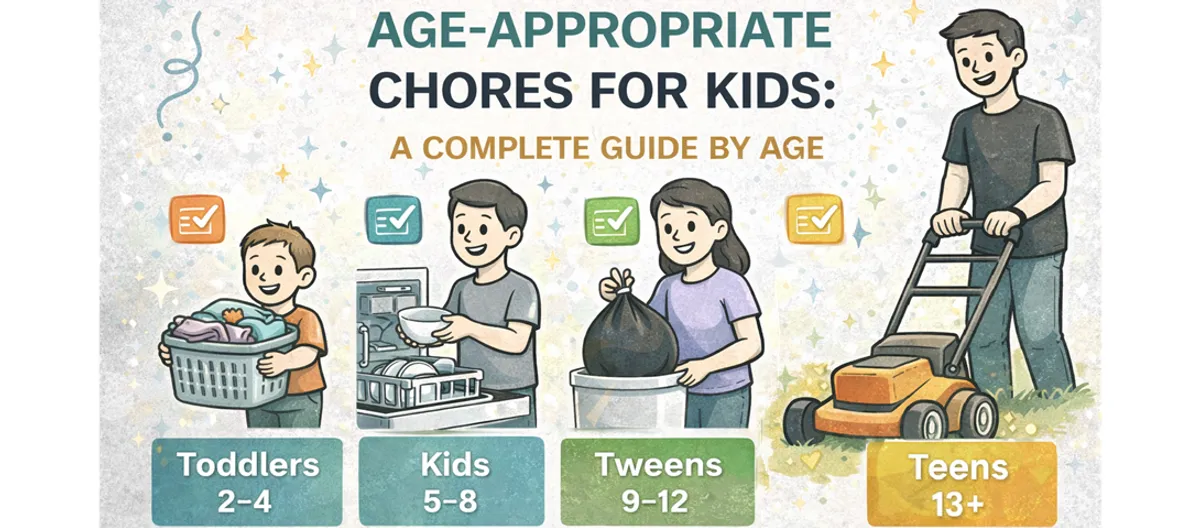
The table below provides a high-level overview of how chores typically evolve. Each age group links to a deeper guide with examples, tips, and common pitfalls.
| Age Group | Primary Focus | Example Responsibilities |
|---|---|---|
| Toddlers (2–4) | Participation | Put toys away, wipe spills, carry laundry |
| Elementary (5–8) | Consistency | Make bed, feed pets, clear dishes |
| Tweens (9–12) | Ownership | Laundry, trash, simple meal prep |
| Teens (13+) | Independence | Cooking, yard work, managing schedules |
Toddlers (Ages 2–4): Participation over perfection
For toddlers, chores are about involvement, not results.
At this stage, children want to help because they want to feel included. The goal is to let them participate in simple household tasks without worrying about speed, efficiency, or quality. When parents expect toddler chores to look “done right,” the routine becomes stressful and kids lose interest.
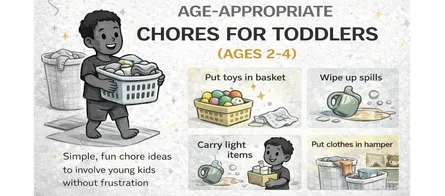
Age-appropriate toddler chores often include putting toys into bins, helping wipe small spills, carrying lightweight items, or placing clothes into a hamper. These tasks build familiarity with responsibility and reinforce that everyone contributes.
Mess and distraction are part of the process. If your toddler is engaged, the chore is doing its job.
Read more: Age-Appropriate Chores for Toddlers
Elementary kids (Ages 5–8): Building consistency and routine
Elementary-age kids are ready to move beyond helping and begin completing chores independently.
This is one of the best stages for habit formation. Kids in this range can follow simple routines, understand expectations, and finish tasks start to finish with minimal supervision, especially when chores are consistent and clearly defined.
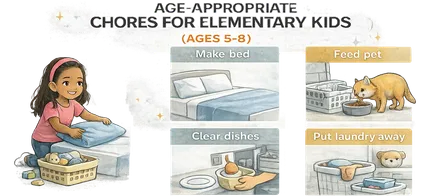
Good chores for this age group often include making the bed, feeding pets, clearing the table, and putting away clean laundry. These responsibilities reinforce consistency and show kids that their contributions matter.
Rather than assigning many chores at once, it is usually more effective to focus on a small number of daily tasks that become part of a predictable routine. When kids know exactly what “done” means, they build confidence and the family spends less time negotiating.
Read more: Age-Appropriate Chores for Elementary Kids
Tweens (Ages 9–12): Encouraging ownership
Tweens are capable of much more than they are often given credit for, but they can be resistant to constant reminders.
At this stage, the shift should be from telling kids what to do toward clearly defining what they are responsible for. Ownership matters more than obedience. Many parents see improvement when they reduce repeated prompts and instead rely on a visible system with consistent expectations.
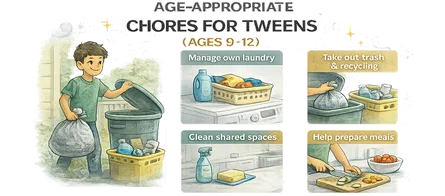
Age-appropriate chores for tweens might include managing their own laundry, taking out trash and recycling, cleaning shared spaces, or helping prepare simple meals. These responsibilities teach planning, follow-through, and accountability.
When expectations are clear and reminders are reduced, tweens are more likely to take responsibility seriously and less likely to argue about every task.
Read more: Age-Appropriate Chores for Tweens
Teens (Ages 13+): Preparing for real life
Teen chores should increasingly resemble real-world responsibilities.
By this age, chores are less about teaching basic skills and more about preparing kids for independence. Teenagers are capable of managing complex tasks, schedules, and long-term responsibilities, especially when parents treat chores as expectations rather than constant negotiations.
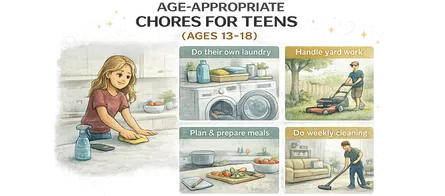
Appropriate responsibilities may include cooking meals, managing their own laundry schedule, maintaining outdoor spaces, or helping care for younger siblings. At this stage, natural consequences are often more effective than constant oversight.
These skills extend beyond the household and help prepare teens for adulthood in a practical, visible way.
Read more: Age-Appropriate Chores for Teens
Should chores be tied to allowance or rewards?
There is no single right approach for every family.
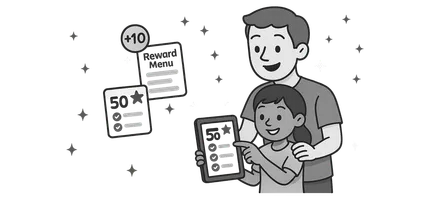
Some families separate chores from allowance and treat chores as basic responsibilities. Others use points or rewards to support motivation and consistency, especially when routines are new. What matters most is clarity. Kids should understand which chores are expected as part of family life and which tasks, if any, earn extras.
If you use rewards, keep expectations consistent and avoid constantly escalating incentives. Rewards should support the habit, not replace it.
Making chores easier to manage as kids grow
Chore systems often fail when expectations are unclear, routines change too often, or parents track everything manually.
Successful systems make chores visible, predictable, and consistent. When kids know what is expected and can see progress, follow-through improves and parents spend less time reminding.
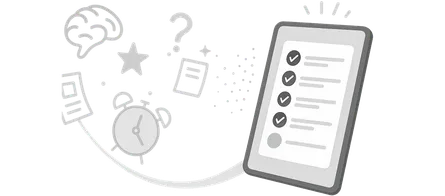
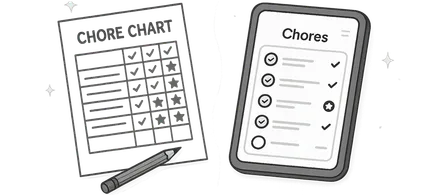
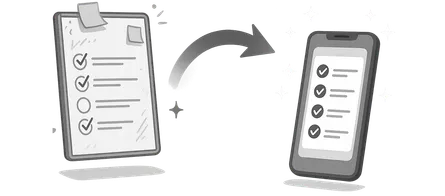
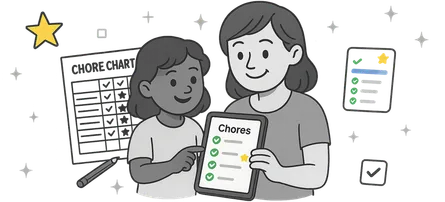
Many families move from paper charts to simple digital tools like MyChoreBoard to reduce friction and keep routines consistent as kids grow. The goal is not to gamify chores. It is to make expectations clear and easier to maintain, especially in busy households.
Frequently Asked Questions
Age-appropriate chores are household responsibilities that match a child’s physical abilities, attention span, and emotional maturity. The goal is not perfection. The goal is helping kids build confidence and responsibility at a level they can realistically handle.
Kids can begin participating in chores as early as age two. At this stage, chores are about helping and belonging, not doing tasks correctly. Simple actions like putting toys away or placing clothes in a hamper are a great start.
Most kids do better with a small number of consistent chores rather than a long list. One to three regular responsibilities is usually enough, especially for younger children. As kids grow, chores can become more complex, but consistency still matters more than quantity.
Refusal usually means the chore feels unclear, too big, or inconsistent. Instead of adding more pressure, simplify the task, define what “done” means, and make expectations visible. When chores are predictable and age-appropriate, resistance often decreases over time.
Some families separate chores from allowance, while others use rewards to reinforce consistency. What matters most is clarity. Kids should understand which chores are expected as part of family life and which tasks, if any, earn extra rewards.
Chores should shift from participation to independence. Toddlers help, elementary kids build routines, tweens take ownership, and teens practice real-life skills. The tasks change, but the goal stays the same: growing responsibility in a way that feels achievable.
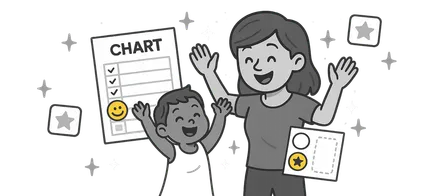
Chore charts can work when they are simple and consistently used. Systems tend to fail when they become too complex or are not updated as kids grow. Many families do better with a visible routine that is easy to maintain and hard to ignore.

Ready to try MyChoreBoard with your kids?
Install on any phone, tablet or computer. Free with no sign-in hoops.
Get Started Now