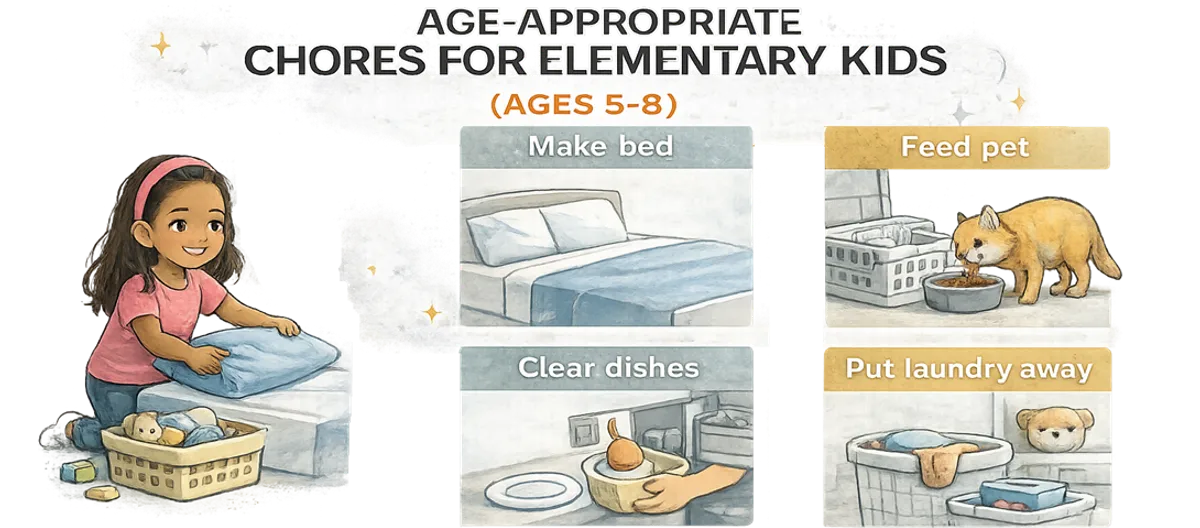
Age-Appropriate Chores for Elementary Kids (Ages 5–8)
- Jacob Volk
- Parenting , Habits , Chores
- 23 Jan, 2026
Elementary-age kids are capable of far more than many parents expect, but they still need structure to succeed.
Between the ages of five and eight, children move from simply helping to completing tasks independently. They can follow routines, remember expectations, and take pride in finishing a job, especially when the task is clear and consistent.
This guide explains what age-appropriate chores look like for elementary kids, how to build reliable routines, and how to avoid turning chores into daily negotiations.
What chores mean for elementary-age kids
For elementary kids, chores are about consistency and follow-through.
At this age, children are developing memory, attention, and problem-solving skills. They are capable of completing chores from start to finish, but they still rely on predictable routines and clear definitions of what “done” means.
Chores work best when kids know exactly what is expected and when expectations stay the same from day to day. When chores change constantly or are vaguely defined, kids tend to push back or forget.
Why this age is critical for habit building
Ages five to eight are one of the most important windows for building long-term habits.
Kids at this stage are still eager to please, but they are also starting to test boundaries. Consistent chores help reinforce the idea that responsibility is part of daily life, not something that depends on mood or reminders.
When chores are introduced thoughtfully during this stage, kids are more likely to accept increasing responsibility later without resistance.
Examples of age-appropriate chores for ages 5–8
Elementary-age chores should have a clear start and finish and be easy to repeat daily.
Common age-appropriate chores include:
- Making the bed
- Feeding pets
- Clearing dishes after meals
- Putting away clean laundry
- Tidying bedrooms or play areas
These tasks may still require occasional guidance, but children in this age range are capable of handling them with minimal supervision once routines are established.
What to expect when kids take on more responsibility
Even capable kids will forget chores occasionally. That does not mean the system is failing.
At this age, forgetting is usually a sign that the routine is still forming. Calm reminders, visual cues, and consistency work better than escalating consequences.
Correcting mistakes is part of the learning process. The goal is not perfection, but reliability over time.
How to reduce reminders and nagging
One of the biggest pain points for parents of elementary-age kids is feeling like a constant reminder system.
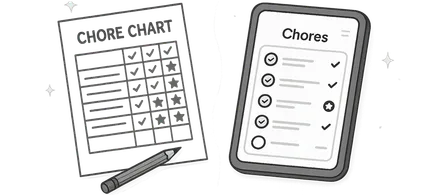
The most effective way to reduce nagging is to make chores visible and predictable. When kids can see what they are responsible for and when it needs to happen, they are more likely to follow through without repeated prompts.
Consistency matters more than enforcement. When expectations stay the same, kids begin to internalize the routine.
How many chores should elementary kids have?
Most elementary kids do best with two to four regular chores.
These should be daily or frequent tasks that become part of the rhythm of the day. Adding too many chores at once can feel overwhelming, while rotating chores too often can create confusion.
Start small and build gradually as routines become solid.
Should rewards be used at this age?
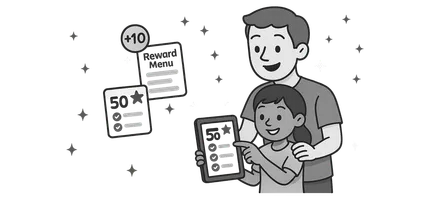
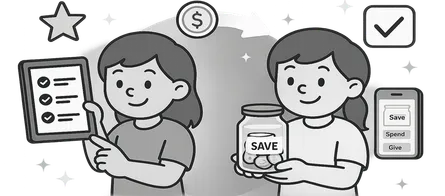
Some families choose to introduce simple rewards at this stage to reinforce consistency.
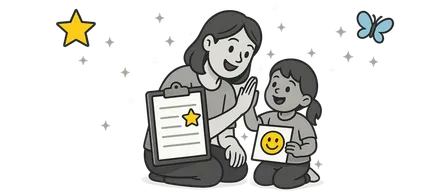
When used thoughtfully, rewards can support motivation without replacing responsibility. The key is to keep rewards predictable and tied to effort or completion, not perfection.
Rewards tend to work best when paired with clear expectations, not as a replacement for them.
See here for” some simple, age-appropriate rewards for elementary school aged kids.
Looking ahead to the next stage
As kids move toward the tween years, chores gradually shift from routine tasks to ownership of responsibilities.
Helping elementary kids build consistency now makes that transition much easier later. When chores feel normal and predictable, increasing responsibility feels natural rather than overwhelming.
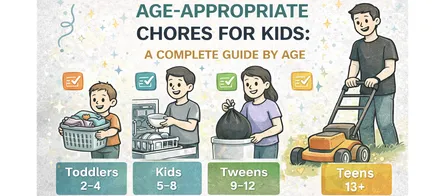
For a full overview of how chores evolve over time, see the complete guide:
Age-Appropriate Chores for Kids: A Complete Guide by Age
Frequently Asked Questions
Elementary-age kids can handle simple, repeatable chores like making the bed, feeding pets, clearing dishes, and putting away laundry. These tasks build consistency and responsibility when expectations are clear.
Most kids in this age range do well with two to four regular chores. A small number of consistent tasks works better than a long list that changes often.
Forgetting is normal while habits are still forming. Visual reminders and consistent routines are more effective than punishment at this age.
Some families use simple rewards to reinforce consistency. Rewards work best when they support routines rather than replace responsibility.
Refusal often means expectations are unclear or inconsistent. Simplifying chores and keeping routines predictable usually reduces resistance over time.

Ready to try MyChoreBoard with your kids?
Install on any phone, tablet or computer. Free with no sign-in hoops.
Get Started Now