Age-Appropriate Chores for Teens (Ages 13+)
- Jacob Volk
- Parenting , Habits , Chores
- 25 Jan, 2026
Teenagers are closer to adulthood than childhood, and their chores should reflect that.
By the teen years, kids are capable of managing complex responsibilities, making decisions, and handling long-term tasks. Yet many families continue to treat chores as small, supervised tasks rather than opportunities to build independence.
This guide explains what age-appropriate chores look like for teens, how to shift responsibility without constant reminders, and how chores can become real preparation for adult life.
What chores mean for teenagers
For teens, chores are no longer about habit formation. They are about life skills and accountability.
Teenagers are developing independence, identity, and decision-making abilities. Chores at this stage should mirror real-world responsibilities and carry real expectations. Teens are capable of managing tasks over time, planning ahead, and dealing with consequences when something is forgotten.
When chores feel meaningful and connected to real life, teens are more likely to take them seriously.
Why parents struggle to let go at this stage
One of the hardest parts of parenting teens is loosening control while still holding expectations.
Parents often continue to remind, correct, or step in because it feels faster and safer. But constant oversight prevents teens from learning how to manage responsibility on their own.
The teen years are where systems matter more than supervision. Clear expectations paired with space to succeed or fail help teens build confidence and independence.
Examples of age-appropriate chores for teens
Teen chores should reflect the kind of responsibilities they will face outside the home.
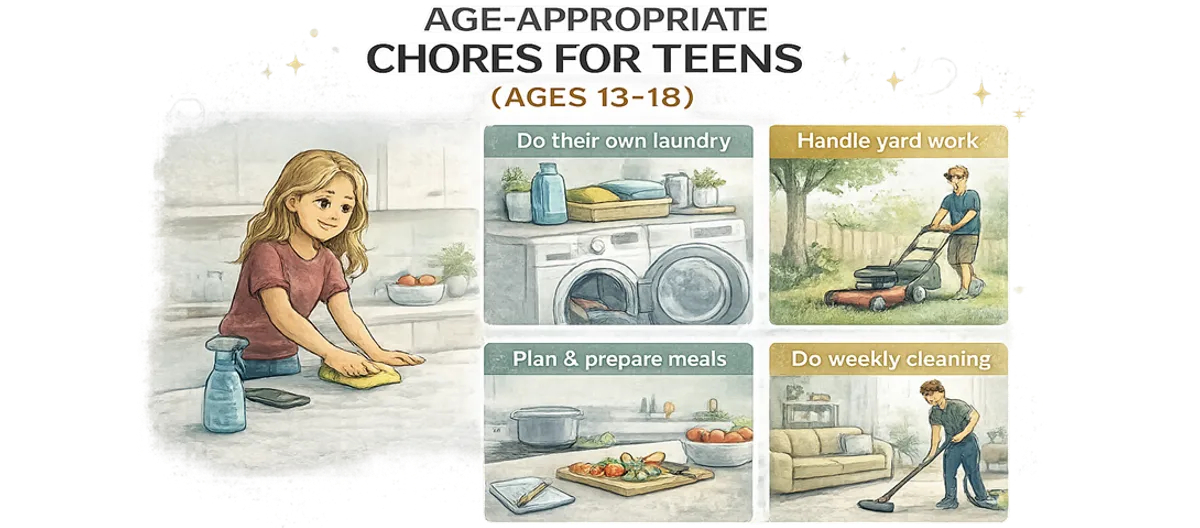
Common age-appropriate chores for teens include:
- Managing their own laundry schedule
- Cooking meals for the family
- Cleaning bathrooms or shared spaces
- Yard work and home maintenance
- Helping care for younger siblings
- Managing schedules tied to responsibilities
These chores require planning, consistency, and follow-through. Mistakes are part of learning. The goal is not perfection, but ownership.
What to expect when teens take responsibility
Responsibility at this age often comes with pushback.
Teens may test boundaries, forget tasks, or challenge expectations. This does not mean the system is failing. It means they are learning where responsibility begins and ends.
Natural consequences become more effective during this stage. Allowing teens to experience the results of missed responsibilities teaches far more than repeated reminders.
How to reduce conflict around teen chores
Conflict usually increases when chores feel arbitrary or overly controlled.
Teens respond better when expectations are clear, predictable, and treated as non-negotiable parts of family life. Calm follow-through matters more than enforcement or lectures.
Shifting from reminders to accountability helps reduce power struggles and builds mutual respect.
How many chores should teens have?
Most teens can handle several ongoing responsibilities rather than a checklist of small tasks.
The focus should be on ownership over time, not volume. Giving teens responsibility for the same tasks consistently allows them to manage planning, timing, and execution independently.
Gradually increasing responsibility works better than sudden changes.
Should rewards or allowance be used for teens?
For many families, rewards shift significantly during the teen years.
Some families continue allowance, often tied loosely to responsibility or household contribution. Others separate chores from money entirely and focus on natural consequences and privileges.
If rewards or allowance are used, they should reflect real responsibility rather than routine habits. The goal is to prepare teens for adult expectations, not to manage behavior through incentives.
For ideas that fit this stage, see our guide to age-appropriate rewards for teens.
Preparing teens for adulthood
Chores are one of the most practical ways to prepare teens for life after they leave home.
Teens who manage responsibilities at home are more confident handling school, work, and independent living. These skills do not develop overnight. They grow through practice, consistency, and trust.
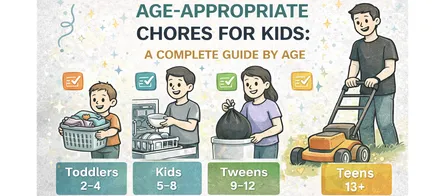
For a complete view of how chores evolve by age, see the full guide:
Age-Appropriate Chores for Kids: A Complete Guide by Age
Frequently Asked Questions
Teenagers can handle responsibilities like managing their own laundry, cooking meals, cleaning shared spaces, yard work, and helping care for younger siblings.
Yes. Chores at this age help teens build life skills, accountability, and independence that prepare them for adulthood.
Clear expectations, consistent routines, and allowing natural consequences help reduce the need for reminders over time.
Some families use allowance or rewards, while others separate money from chores. What matters most is clarity and consistency around expectations.
Refusal often signals unclear expectations or power struggles. Treating chores as non-negotiable responsibilities and focusing on accountability can reduce resistance.

Ready to try MyChoreBoard with your kids?
Install on any phone, tablet or computer. Free with no sign-in hoops.
Get Started Now