Motivating Teens: Shift to Trust, Goals, & Real-World Wins
- Jacob Volk
- Parenting , Habits , Rewards
- 13 Nov, 2025
Teens don’t want stickers — they want respect, freedom, and the aux cord.
The good news? Those are exactly the kinds of rewards that help build real-world responsibility when you frame them around trust, consistency, and earned privilege.
This guide helps you shift from “What do I get?” to “What can I earn and be trusted with?” It’s how rewards evolve from prizes into life skills — and how parents move from constant reminders to calm collaboration.
What works best for 13–18 (and why)
Teens are motivated by:
- Autonomy and trust — they want control over the how, not micromanagement.
- Purpose and goals — they crave a “why” that makes sense.
- Real-world privileges — time, transport, tech, and responsibility all count.
So the reward system should:
- Use agreements, not commands.
- Tie effort to freedom and trust, not trinkets.
- Allow re-negotiation within clear guardrails.
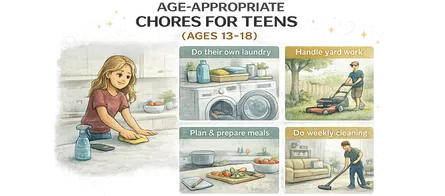
💡 Mindset shift: Treat them like apprentice adults. Rewards evolve into responsibility + trust. Rewards tend to work best when they are paired with clear, age-appropriate chores for teens, rather than used in isolation.
Principles that keep it smooth
-
Co-write the agreement
Define expectations, consequences, and privileges together. When they help design the system, they’re more likely to honor it. -
Focus on results, not micromanagement
Set standards and deadlines — then step back and let them handle the process. -
Make goals visible
Track progress through savings, hours volunteered, workouts, or chore streaks. Dashboards > lectures. -
Use privileges, not prizes
Think later curfew, car access, concert tickets — not “stuff.” -
Review monthly
Adults track goals monthly; include them in that cadence to normalize accountability.
Reward menu ideas (teen edition)
Teens respond best to rewards that feel practical, personal, and worth the effort — small upgrades, aesthetic items, or a bit of spending freedom. These are the kinds of rewards you’d offer as choices, not everyday freebies.
Privileges & freedom
- Later curfew on weekends (within limits)
- Car access (with clear fuel or mileage rules)
- Extra device hours (still within parental settings)
- Solo hangouts or friend outings
- Room autonomy (within hygiene baselines)
Goal-based incentives
- Matched savings funds (e.g., 20% match)
- Budget bump for reliability over time
- Experience credit (concert, event, or workshop)
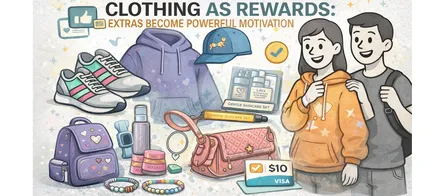
Teen Shopping Rewards
LED Strip Lights for Room
A simple room glow-up that lets your teen personalize their space and enjoy the vibe they earned.
Shop on AmazonCustom Phone Case or PopSocket
Let them upgrade the thing they use most — their phone — with a design that fits their style.
Shop on AmazonWireless Earbuds (Budget-Friendly)
Great for music, podcasts, or homework focus — a useful upgrade that feels like a big win.
Shop on AmazonAffiliate Disclosure: As an Amazon Associate, we earn from qualifying purchases.
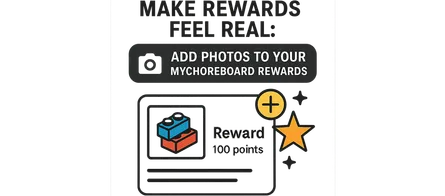
Make rewards feel real.
With MyChoreBoard’s Add Image to Reward feature, you can upload photos of specific teen rewards — so they see exactly what they’re working toward, from room lights to earbuds or a gift card. 👉 ADD IMAGES TO CUSTOM REWARDS
What tasks to reward at this age
Focus on adulting skills and follow-through:
- Logistics: Calendar upkeep, deadlines, self-starting habits
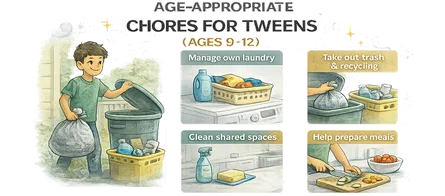
- Home: Weekly laundry, dishes, shared space upkeep
- School/work: Study blocks, applications, consistent job shifts
- Wellness: Sleep schedule, workouts, screen boundaries
- Community: Volunteering, pet care, sibling support
Points & thresholds that feel fair
Instead of small redemptions, use tiers with clear impact:
- Daily reliability: small privileges (device window +30 min)
- Weekly consistency (4 of 5 targets met): medium privileges (later curfew, car on Sat)
- Monthly goals achieved: big privileges (concert, overnight, experience day)
If using points:
- 3–5 points per daily target (study, chores, wellness)
- 25–35 points/week → medium privilege
- 100–140 points/month → big reward or savings match
⚖️ Keep trade-offs clear: More trust = more freedom, not “I did one thing, so I’m off the hook.”
How to set it up in MyChoreBoard (13–17 friendly)
- Create goal-aligned tasks (study, chores, workouts)
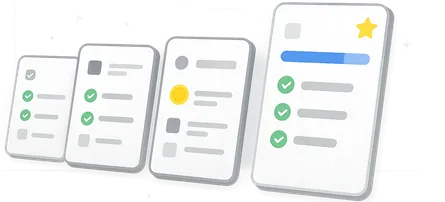
- Set weekly and monthly thresholds with visible summaries
- Add privilege rewards with clear eligibility
- Track streaks and notes for review sessions
- Review monthly to renew agreements and adjust thresholds
4-week starter plan (copy this)
Week 1 – Setup: Co-write the agreement with clear privileges and one monthly goal.
Week 2 – Stability: Log results daily, midweek check-in, minimal reminders.
Week 3 – Autonomy: Let them self-report; add one stretch goal.
Week 4 – Review: Celebrate wins, adjust privileges, and set next month’s focus.
Common challenges (and easy fixes)
-
“They argue every rule.”
Move debates to the monthly review. Day-to-day follows the agreement. -
“They only do the minimum.”
Add quality checks (on-time, complete, tidy). Reward excellence, not shortcuts. -
“Screens are all they want.”
Raise the “cost” of screen time and add experiences to the menu. -
“They broke trust.”
Use temporary pauses, not punishment. Make the path back clear and achievable.
This post is part of our “Positive Reinforcement by Age” series
Helping parents use motivation science to build consistency, confidence, and real responsibility — one stage at a time. Explore the full series:
- 🧸 Age-Appropriate Rewards for Toddlers (2–4)
- 🎒 Rewards That Motivate Elementary-Age Kids (5–8)
- 🧭 Reward Systems for Tweens (9–12)
- 🎧 Motivating Teens Without Bribes (13–17)
- ⚡ Reward Systems That Motivate ADHD Kids
➡️ Learn more about the psychology behind rewards in our hero guide: How Positive Reinforcement Builds Motivation & Responsibility in Kids.
FAQs
- Yes, if it’s tied to real responsibilities (laundry, cooking, mowing). Teach budgeting and saving, not just spending.
- Use a written agreement and scheduled reviews. MyChoreBoard handles daily tracking so you can step back.
- Lean on visual progress, predictable routines, and immediate feedback. Fade supports gradually. (See our ADHD guide.)
Ready to try MyChoreBoard with your kids?
Install on any phone, tablet or computer. Free with no sign-in hoops.
Get Started Now