Age-Appropriate Rewards for Toddlers: Simple, Immediate & Fun
- Jacob Volk
- Parenting , Habits , Rewards
- 29 Oct, 2025
If your toddler could write their autobiography, Chapter One would be called “Right Now, Please.” At ages 2–4, kids live in the present tense — which is exactly why simple, immediate, and visual rewards work so well.
Used thoughtfully, rewards don’t “spoil” toddlers; they teach cause → effect in the most toddler-friendly way possible. Below is a practical guide to choosing rewards that fit their world — tiny, joyful, and instant.
Interested in the science behind positive reinforcement? Read How Positive Reinforcement Builds Motivation & Responsibility in Kids.
What works best for toddlers (2–4)
The big three:
- Immediate (seconds, not hours)
- Visible (stickers, stars, stamps)
- Joyful (praise, high-fives, silly celebrations)
Toddlers are still building working memory, time sense, and self-regulation. They learn fastest when the reward shows up right after the behavior and is easy to understand: “I put my shoes by the door → I got a star → we did a happy dance!”
Principles for toddler rewards
-
Reward effort, not perfection
“You tried!” should earn just as much celebration as “You nailed it.” We’re wiring the habit, not grading the performance. -
Keep rewards tiny
Think stickers, stamps, and 30-second privileges. Big prizes can create big expectations; tiny wins create repeatable habits. -
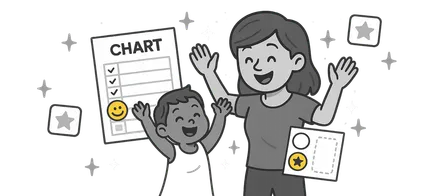
Make progress visual
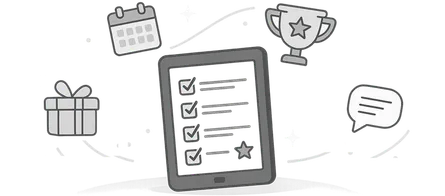
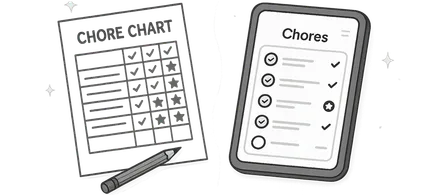
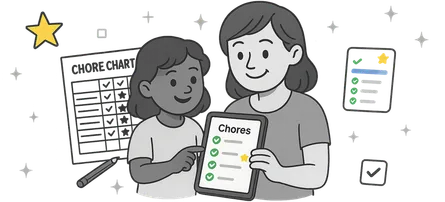
Sticker charts, magnet boards, or digital stars on MyChoreBoard help toddlers see success right away. -
Pair with warm praise
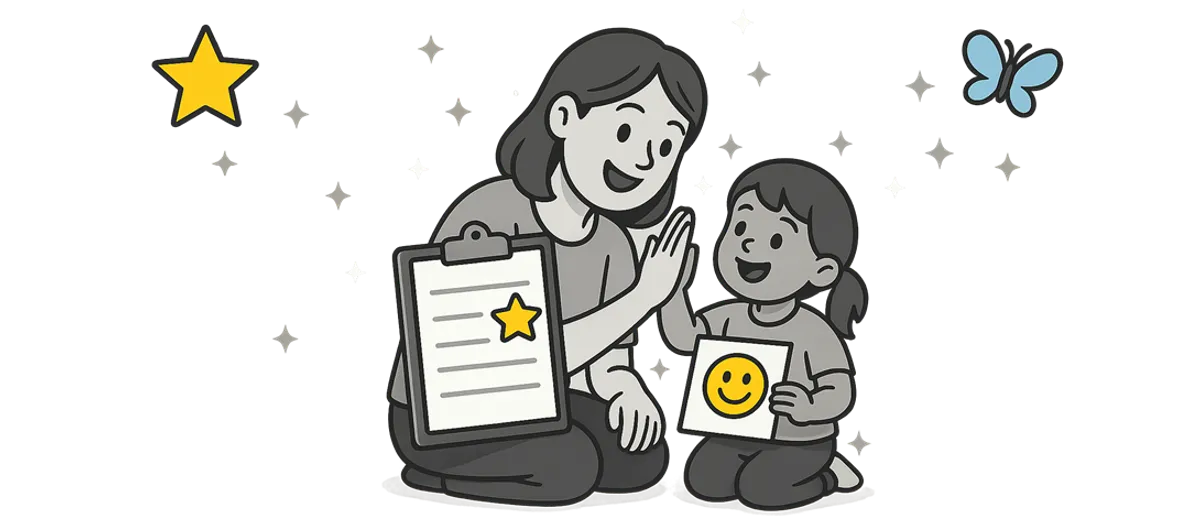
Eye contact, a smile, and “I’m proud of you” are the most powerful reinforcers in this age group. -
Be consistent (and predictable)
Same action → same reward pattern. Toddlers thrive on “this is how it works.”
Reward ideas
Toddlers are motivated by simple, immediate, and playful rewards. At this age, the best rewards feel like fun surprises — small things they can enjoy right away without overstimulation. These work beautifully as occasional choices, not daily expectations.
Free & feel-good
- Happy dance / victory song (make one up!)
- Pick a silly hat for 5 minutes
- Choose the bedtime story
- Ring the “success bell” (a spoon on a pan is a bell, promise)
Sensory & playful
- Bubble time (30–60 seconds)
- Play dough stamp (press a star stamp when they earn it)
- Mini puppet high-five
- Confetti emoji on a tablet (visual fireworks after a tap)
Stickers or Sticker Packs
Simple, exciting, and endlessly rewarding — a perfect quick win for little ones.
Shop on AmazonBoard Book or Mini Storybook
A sweet, screen-free reward that they’ll want to read again and again.
Shop on AmazonBubble Machine or Bubble Wand
Instant joy for toddlers — perfect for an outdoor treat after chores or routines.
Shop on AmazonPlay-Doh or Modeling Clay
Hands-on fun that encourages creativity & keeps them engaged for long stretches.
Shop on AmazonAffiliate Disclosure: As an Amazon Associate, we earn from qualifying purchases.
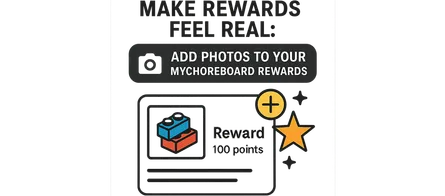
Make rewards feel real.
With MyChoreBoard’s Add Image to Reward feature, toddlers get a clear, colorful picture of what they’re working toward — making routines feel exciting and concrete. 👉 ADD IMAGES TO CUSTOM REWARDS
What to reward at this age
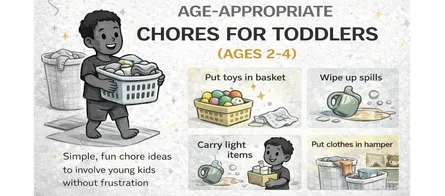
Keep targets small and concrete. Examples:
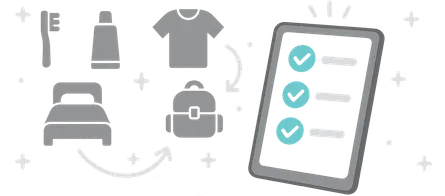
- Morning: Put PJs in hamper, put shoes by door, carry water bottle
- Mealtime: Bring plate to sink, wipe table with a small cloth
- Clean-up: Put blocks in bin, books on shelf
- Hygiene: Try brushing, carry toothbrush to parent, bring towel to bathroom
- Transitions: “First clean up, then bubbles” (First/Then language is magic)
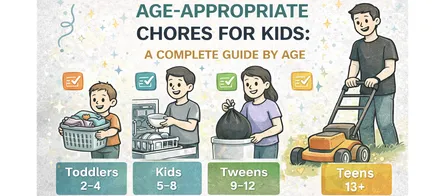
Rewards tend to work best when they are paired with clear, age-appropriate chores for toddlers, rather than used in isolation.
How to set it up in MyChoreBoard (2–4 friendly)
- Create tiny tasks (10–30 seconds each).
- Enable instant points + celebratory feedback so toddlers see success right away.
- Use simple icons (toys, toothbrush, shoes).
- Keep the reward threshold low (e.g., 2–3 stars → pick the story).
- End with praise + a physical celebration (high-five, stamp, sticker).
7-day “micro-habit” plan (copy this)
Day 1–2: One micro-task (e.g., “put shoes by door”). Instant sticker + silly cheer.
Day 3–4: Add second micro-task (e.g., “bring plate to sink”). Instant star + victory song.
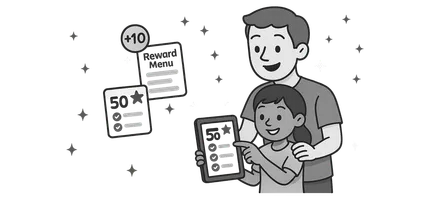
Day 5: Introduce a Reward Menu (kid picks one tiny reward after 2 stars).
Day 6: Keep stars instant, offer a choice: sticker or stamp.
Day 7: Celebrate streak: show the chart, name the effort (“You kept trying!”), and do a 30-second dance party.
Common pitfalls (and easy fixes)
-
Pitfall: Rewards are too big or too delayed.
Fix: Go tiny and instant. Stickers beat “toy next week.” -
Pitfall: The target is too vague (“Be good”).
Fix: Make it specific (“Put blocks in the red bin”). -
Pitfall: Only outcomes get rewarded.
Fix: Celebrate effort and steps (“You brought the toothbrush!”). -
Pitfall: Chart gets forgotten.
Fix: Keep it at toddler eye level; let them place the sticker themselves.
This post is part of our “Positive Reinforcement by Age” series
Helping parents use motivation science to build consistency, confidence, and real responsibility — one stage at a time. Explore the full series:
- 🧸 Age-Appropriate Rewards for Toddlers (2–4)
- 🎒 Rewards That Motivate Elementary-Age Kids (5–8)
- 🧭 Reward Systems for Tweens (9–12)
- 🎧 Motivating Teens Without Bribes (13–17)
- ⚡ Reward Systems That Motivate ADHD Kids
➡️ Learn more about the psychology behind rewards in our hero guide: How Positive Reinforcement Builds Motivation & Responsibility in Kids.
FAQs
- Bribes are last-minute deals to stop behavior. Planned, consistent rewards tied to effort teach toddlers cause and effect and help build healthy habits.
- No. Once the habit sticks, you can fade tangible rewards and keep warm praise and brief celebrations.
- Immediate, visible, and joyful rewards—like stickers, stamps, short celebrations, and tiny privileges—work best for toddlers because they live in the present tense.
Ready to try MyChoreBoard with your kids?
Install on any phone, tablet or computer. Free with no sign-in hoops.
Get Started Now