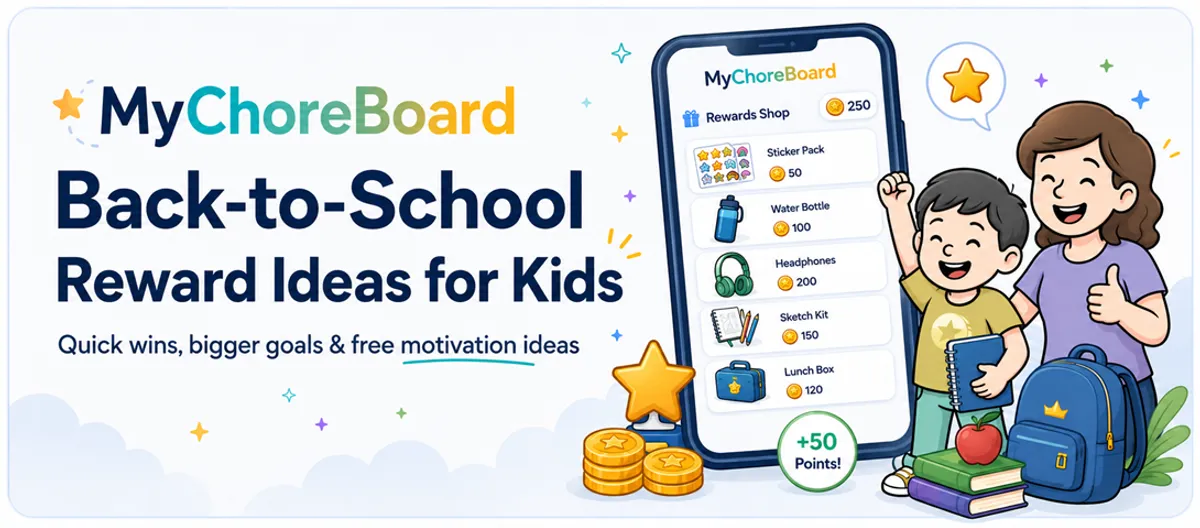
Back-to-School Reward Ideas for Kids
- Jacob Volk
- Rewards & Motivation
- 28 Jul, 2026
A new school year is a good time to refresh more than backpacks and routines. It is also a natural time to update the rewards your children can work toward.
Rewards that felt exciting last semester may no longer matter. Children’s interests change, older kids outgrow certain prizes, and a reward pool can become easy to ignore when the same choices sit there for too long.
This guide includes back-to-school reward ideas for children ages 5–12, from quick wins to larger goals.
See something your child would love? Use the Add to MyChoreBoard button on an eligible reward card to place it directly in your family’s reward pool.
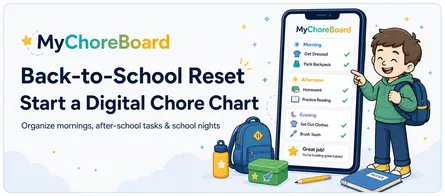
If you are still organizing the routine itself, start with Back-to-School Reset: Start a Digital Chore Chart.
Small rewards for quick back-to-school wins
Small rewards are useful when children are learning a new routine and need a goal they can reach without waiting several weeks.
They can work well for:
- Completing the morning routine independently for several days
- Remembering to unpack the backpack and lunchbox
- Finishing reading or homework without repeated reminders
- Preparing school items the night before
- Completing optional Bonus Tasks
Keep these rewards genuinely small. The purpose is to create an early success, not to make every ordinary responsibility expensive.
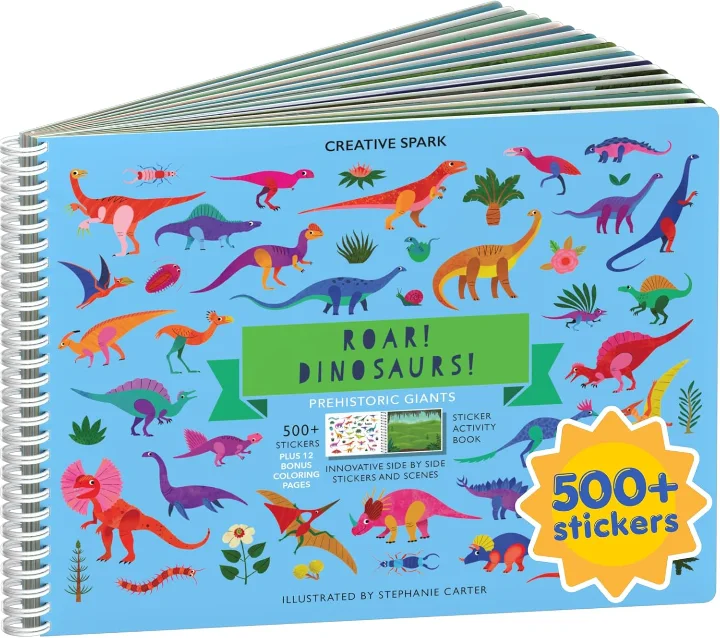
Sticker Packs
Easy to store, easy to share, and fun to choose. Great as a quick win reward without adding clutter.
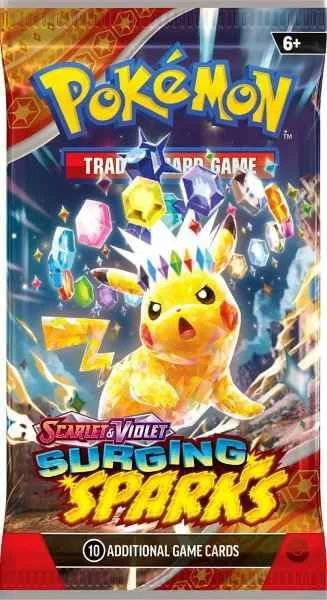
Pokemon Card Pack
A small reward with big motivation. Packs feel exciting, stay compact, and are easy to use as occasional bonuses.
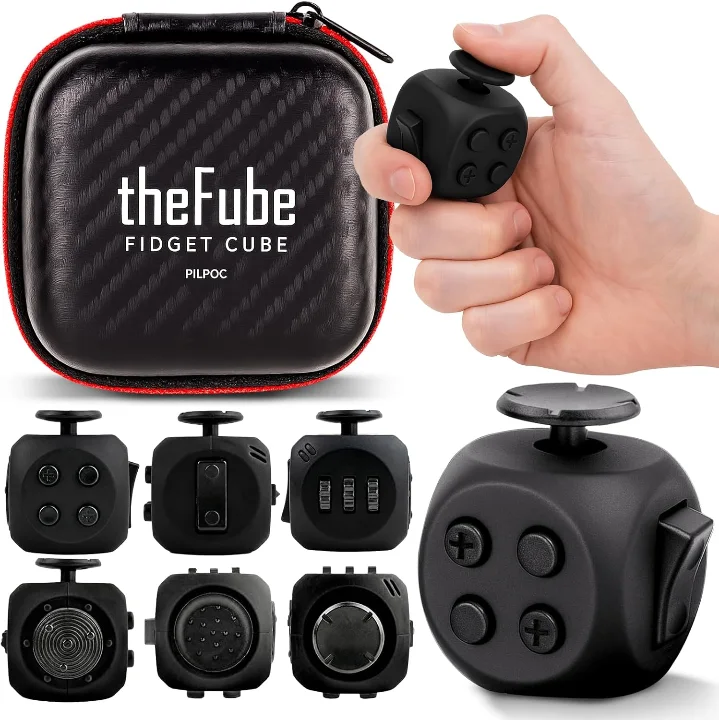
Fidget / Focus Gadget
A high-quality cube, ring, or mechanical fidget great for school focus and fun to earn.
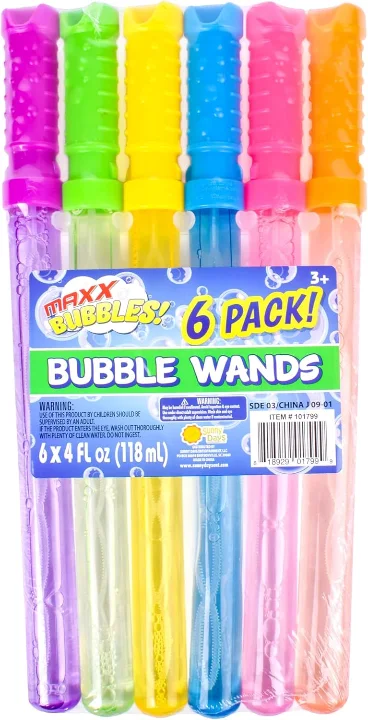
Bubble Wands
Instant fun with almost no cleanup. A great low-point reward that encourages outdoor play and disappears fast.
Affiliate Disclosure: As an Amazon Associate, we earn from qualifying purchases.
Useful school-day upgrades
Some of the best rewards are upgraded versions of items children already use.
A new water bottle, lunchbox, reading light, or pair of headphones feels special without becoming another toy that is forgotten a week later. These rewards can also help children take more ownership of school supplies and routines.
They work well as medium-size goals because they feel personal and useful at the same time.
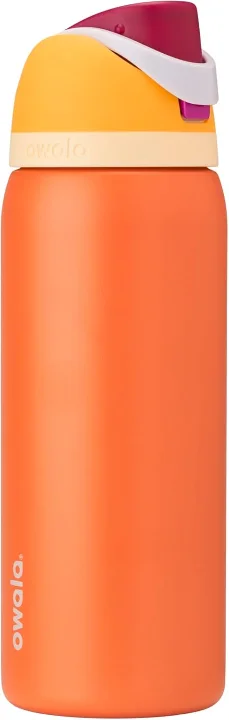
Insulated Water Bottle
A daily-use upgrade that feels special without adding clutter. Great for school, sports, and staying hydrated.
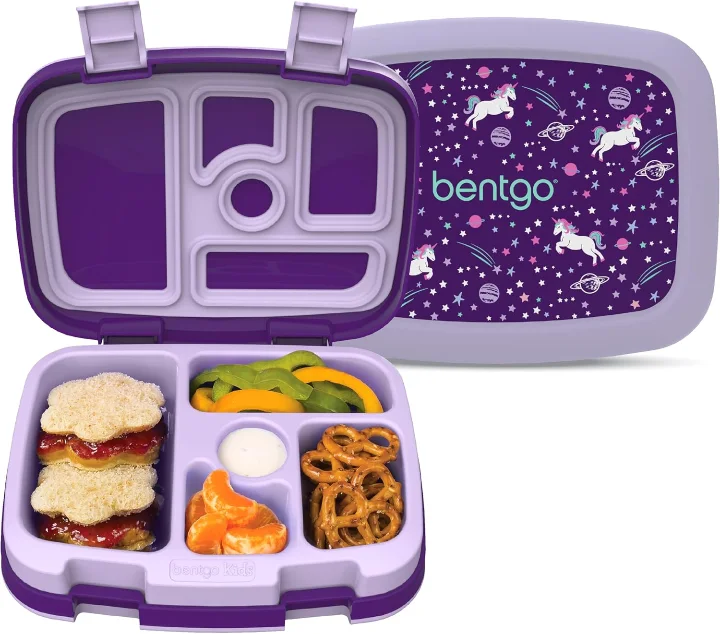
Lunch Box
A daily-use upgrade that keeps lunches organized and leak-free. It feels special, but replaces something you already need.
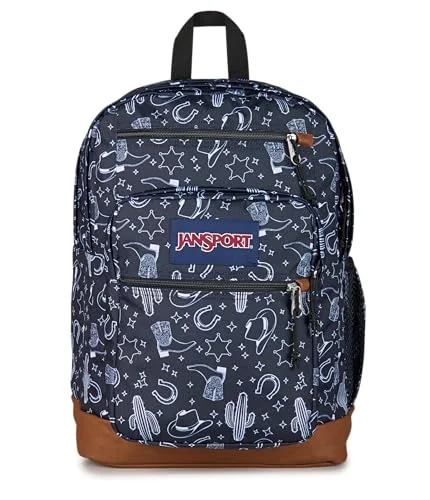
JanSport Cool Backpack
Available in stylish colors, prints and patterns, these backpacks are perfect for anyone’s style!
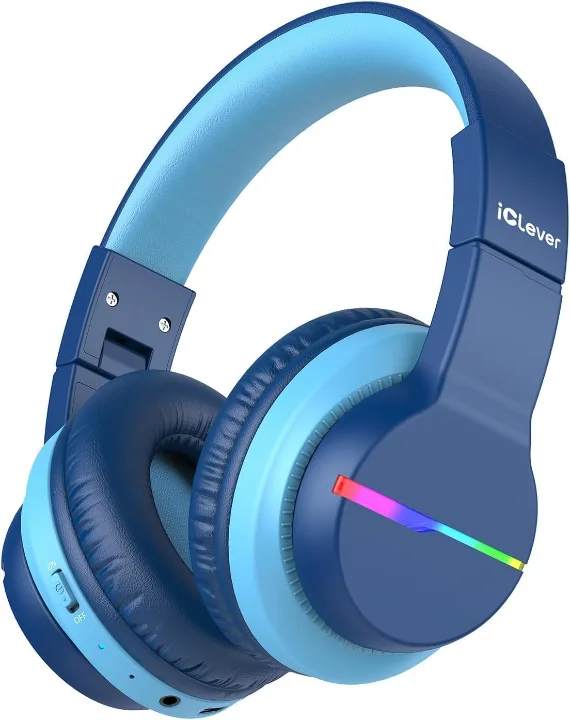
Kids’ Bluetooth Headphones (Volume-Limited)
Great for audiobooks, quiet time, or earning a longer screen-time session without blasting the volume.
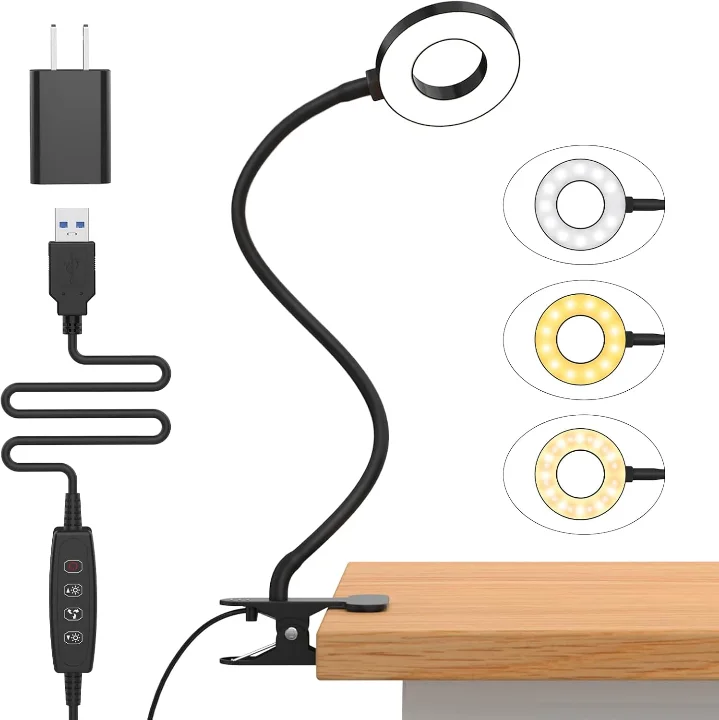
Cozy Reading Light or Headlamp
Perfect for ‘stay up 20 extra minutes to read in bed’ privileges.
Affiliate Disclosure: As an Amazon Associate, we earn from qualifying purchases.
When using an essential item as a reward, keep the distinction clear. A child should always receive the basic supplies they need. The reward is the optional upgrade, favorite design, special color, or extra feature.
Creative rewards for after-school downtime
Back-to-school life can become highly scheduled. Creative rewards give children something enjoyable to do without turning every break into more screen time.
Art and hobby rewards are especially useful because they can hold attention across multiple sessions. They also give children a choice that feels different from homework, sports, and household responsibilities.
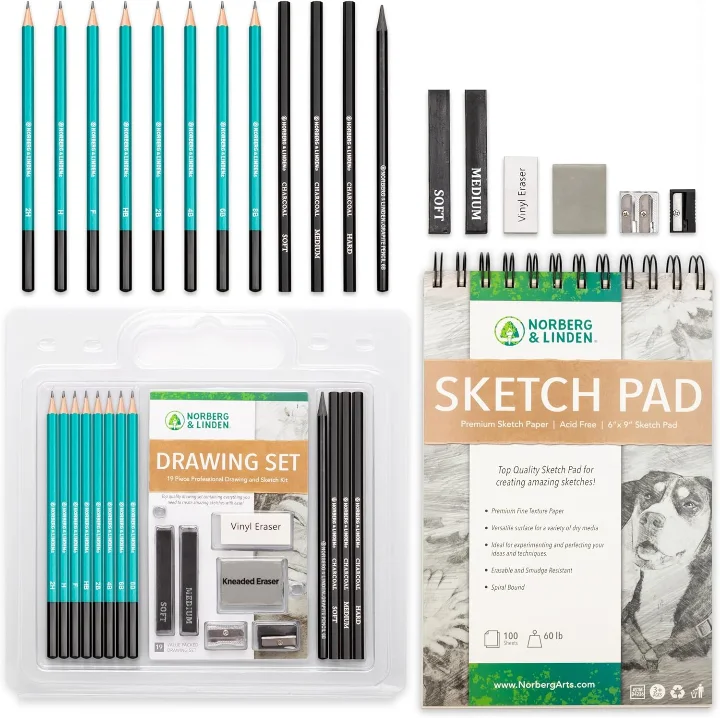
Journaling or Sketch Kit
A creative outlet that feels more grown-up and gives them a place to express themselves.
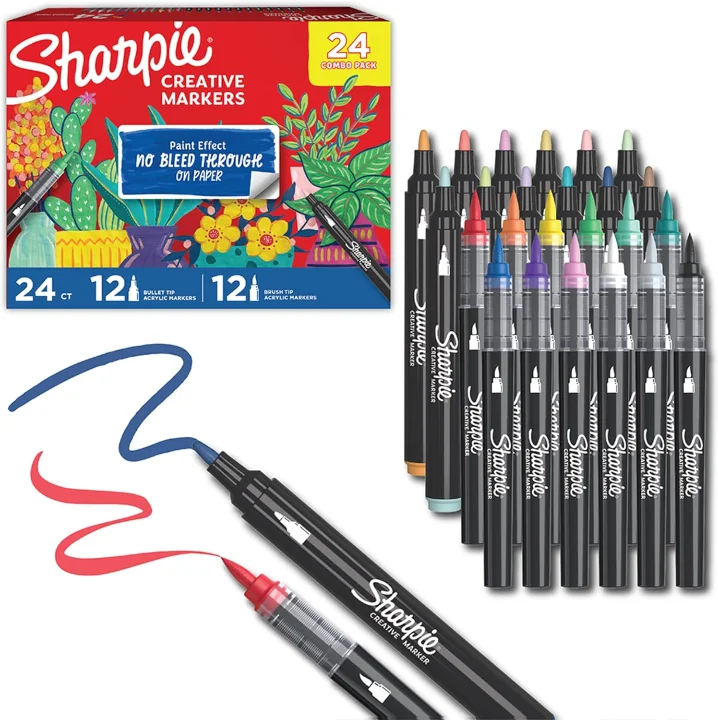
Art Marker
A fun upgrade for art time that feels special right away. Great for kids who love drawing, coloring, and crafting.
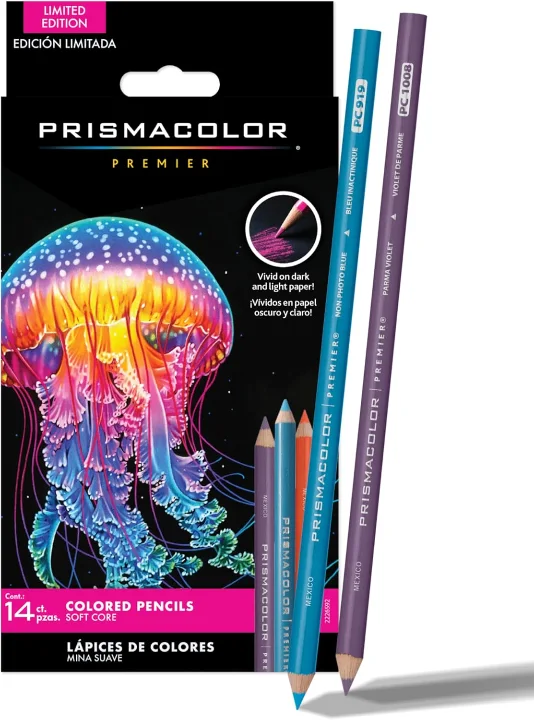
Colored Pencils
A classic creative reward that gets used again and again. Great for quiet time, travel, and screen-free afternoons.
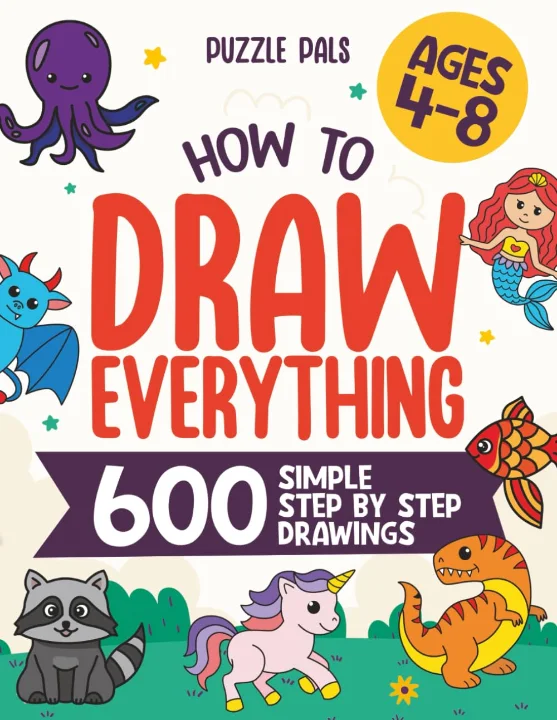
How to Draw Book
A guided, confidence-building reward that turns into a routine. Perfect for kids who like structure and prompts.
Affiliate Disclosure: As an Amazon Associate, we earn from qualifying purchases.
These can be good rewards for:
- A consistent week of completing routines
- Saving points over several weeks
- Finishing an especially difficult project
- Completing creative or organizational Bonus Tasks
Fun rewards for elementary kids and tweens
Children ages 5–12 do not all want the same things. Younger elementary kids may still enjoy novelty items and hands-on activities, while tweens may care more about music, room upgrades, technology, or personal style.
A reward pool works best when each child can see at least a few choices that feel like they were selected specifically for them.
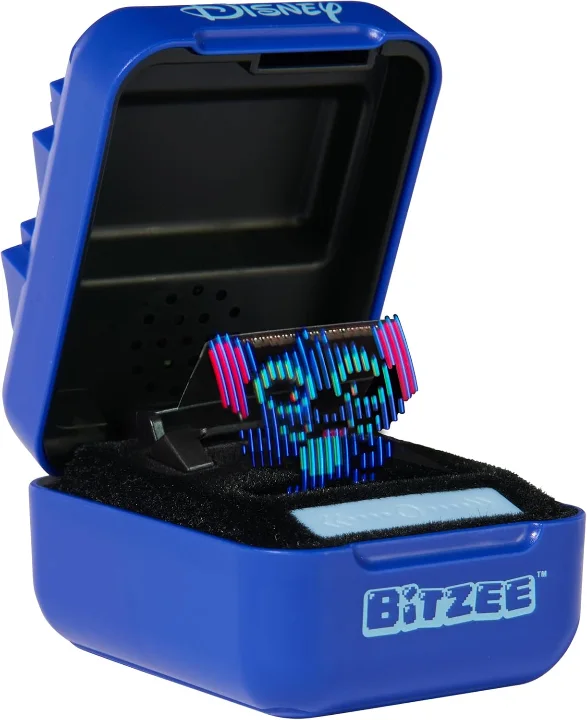
Bitzee - Digital Pet
A virtual pet that rewards consistent care and attention.
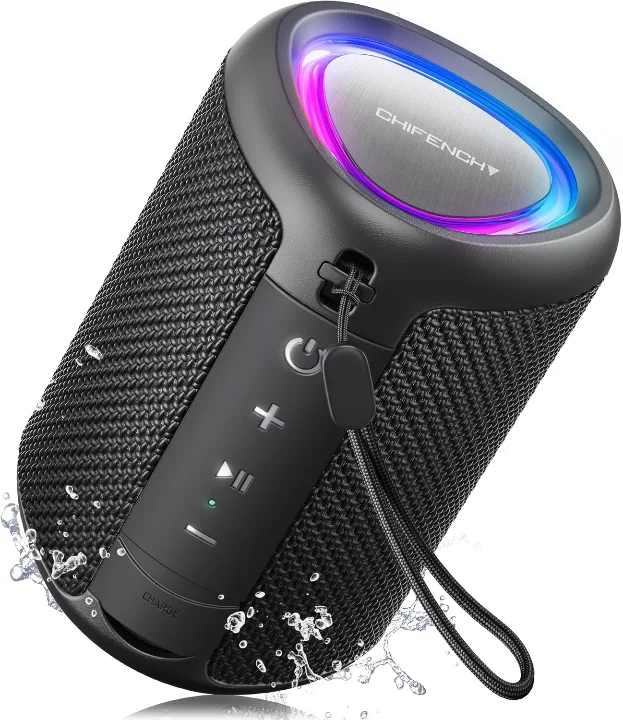
Bluetooth Speaker (Kid-Friendly Size)
Perfect for music, audiobooks, or making their room feel a little more ‘their own.’
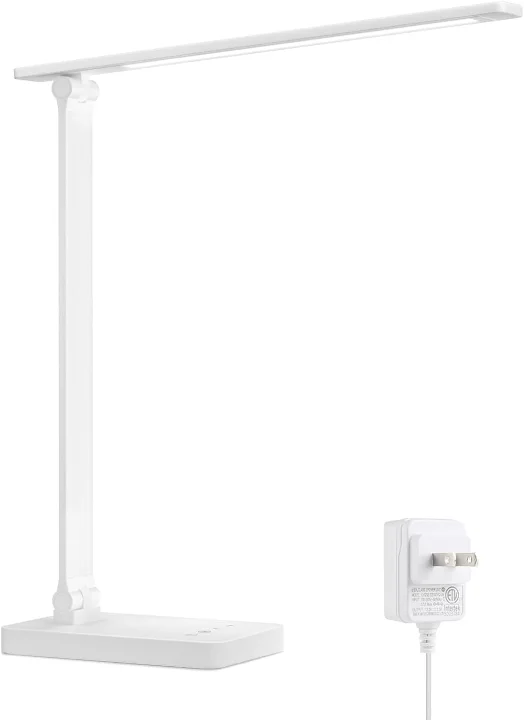
Desk or Room Decor Upgrade
A cool LED desk lamp, organizer, or small decor piece they can ‘earn’ to personalize their space.
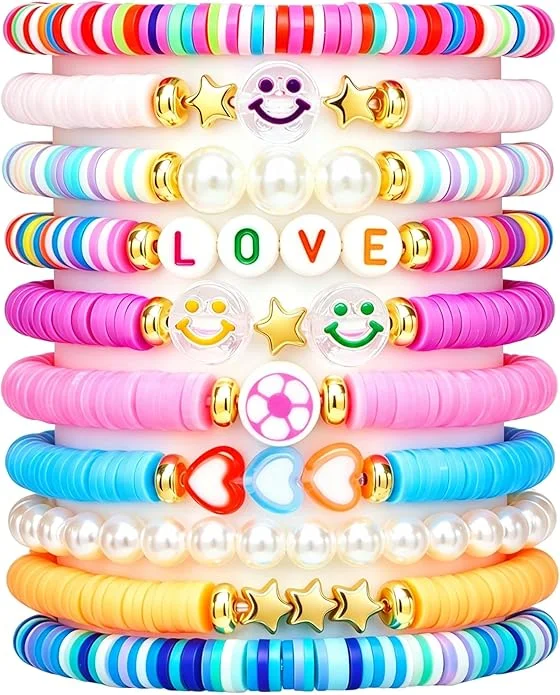
Kids' jewelry
A smaller splurge that feels grown-up. Great for tweens who care more about style than toys.
Affiliate Disclosure: As an Amazon Associate, we earn from qualifying purchases.
MyChoreBoard can also limit a reward to one child or a selected group of children. That makes it easier to offer age-appropriate choices without filling every child’s reward list with items they do not want.
For more age-specific ideas, see:
Bigger rewards kids can save toward
A larger goal teaches children that points do not always need to be spent immediately.
Bigger rewards can work well for older elementary children and tweens who are ready to compare choices, wait longer, and decide whether a small reward is worth delaying a larger one.
Possible bigger goals include:
- A larger building set
- New sneakers chosen by the child
- A room decoration or lighting upgrade
- Wireless earbuds or a small speaker
- Sports equipment
- A larger art or science kit
- A special outing
- A contribution toward something the child is saving for
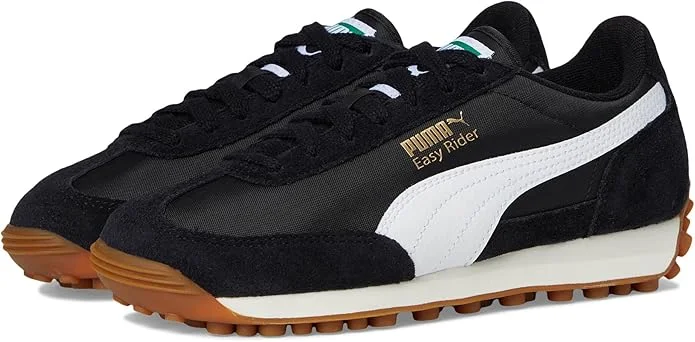
Kids' trendy sneakers
A style upgrade that feels like a big win—especially when it’s a favorite brand or a specific colorway they’ve wanted.
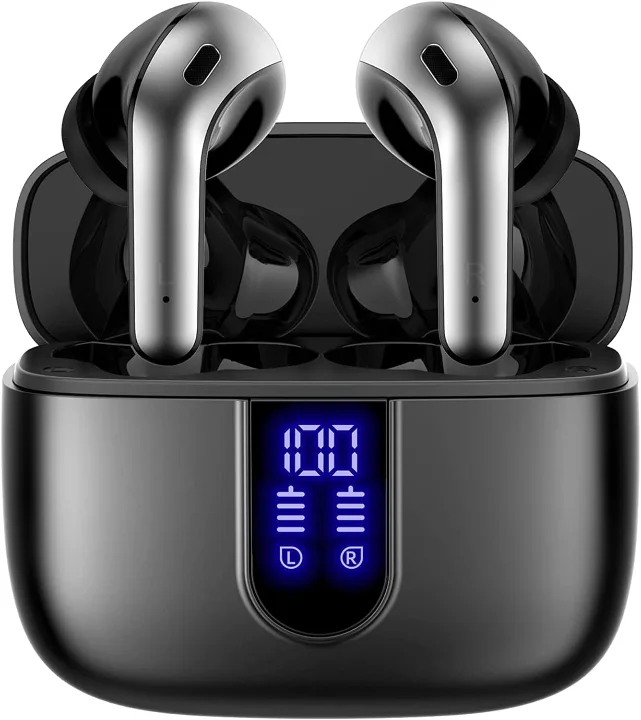
Wireless Earbuds (Budget-Friendly)
Great for music, podcasts, or homework focus. They are a useful upgrade that feel like a big win.
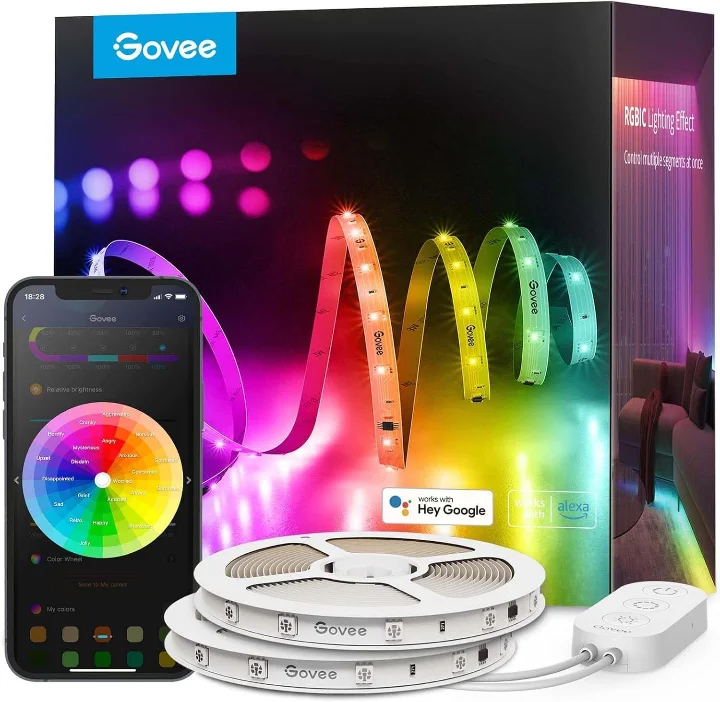
LED Strip Lights for Room
A simple room glow-up that lets your teen personalize their space and enjoy the vibe they earned.
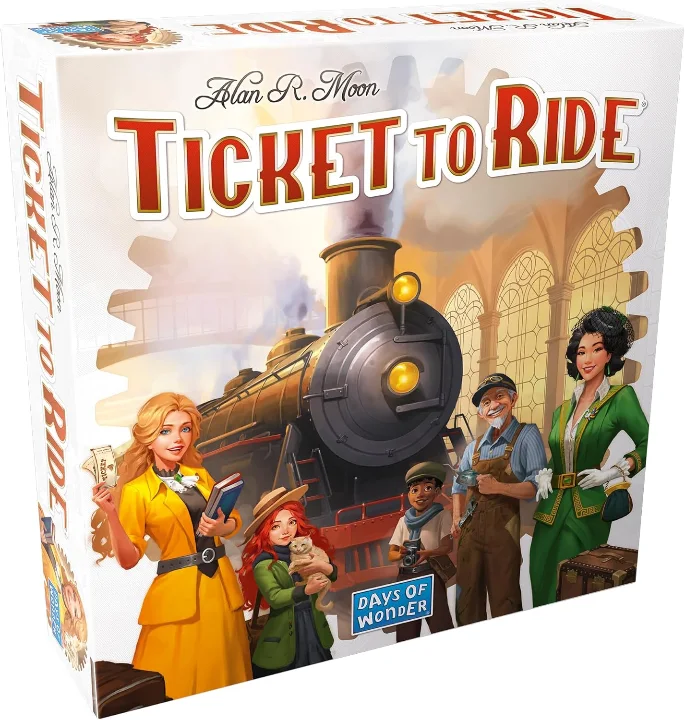
Board Game
A shared reward that turns into family time. Great for reducing comparison and giving everyone something to enjoy together.
Affiliate Disclosure: As an Amazon Associate, we earn from qualifying purchases.
The point cost should feel reachable but meaningful. If a reward appears impossible to earn, it will not motivate. If it can be earned immediately every time, it will not encourage saving.
Free back-to-school rewards
Physical products are only one part of a good reward pool.
Many of the rewards children remember most are privileges, choices, or time with a parent. These options cost little or nothing and can be added to MyChoreBoard like any other reward.
Quick privileges
- Choose the music in the car
- Pick tonight’s dessert
- Choose the family game
- Select the bedtime story
- Get 20 extra minutes before bedtime on Friday
- Choose where to sit at dinner
- Pick the after-school snack
- Skip one optional weekend chore
Shared experiences
- One-on-one time with a parent
- Family movie night choice
- Bake something together
- Visit a park or playground
- Bike ride or neighborhood walk
- Invite a friend over
- Choose a weekend breakfast
- Library trip with extra browsing time
Bigger experience rewards
- Movie theater trip
- Mini golf or bowling
- Sleepover
- Trip to an arcade
- Choose a restaurant
- Special day trip
- Tickets to a local event
Experience rewards are especially helpful when you want to keep the system motivating without continuously buying more things.
Match the reward to the size of the goal
Children understand a reward system more easily when small and large goals are clearly different.
A simple structure might look like this:
| Reward Level | Examples | Best Used For |
|---|---|---|
| Quick win | Sticker pack, snack choice, car music | Early routine practice or a few Bonus Tasks |
| Medium goal | Water bottle, journal, small craft kit | A consistent week or several completed responsibilities |
| Larger goal | Headphones, shoes, room upgrade | Saving across multiple weeks |
| Experience | Movie night, outing, friend visit | Consistency, cooperation, or a family milestone |
There is no universal point value that works for every household. The important relationship is between how quickly points are earned and how long you want each reward to take.
A useful test is to ask:
Could my child realistically earn this reward in the amount of time I intend without needing a perfect streak?
If the answer is no, lower the cost or provide more reasonable ways to earn points.
Should school routines earn rewards?
Not every basic responsibility needs to earn a large reward.
Children still need to learn that getting dressed, brushing teeth, attending school, and caring for their belongings are normal parts of family life. At the same time, points and rewards can help while a child is learning a new habit or taking on more independence.
A balanced approach is to use rewards for:
- A routine the child is actively learning
- Completing several steps without reminders
- Consistency across multiple days
- A task that requires unusual effort
- Optional work beyond the normal routine
- Bonus Tasks that help the household
For example, “put backpack away” may stay on the chart as a reminder without earning many points. Organizing the family entryway, helping prepare lunches, or completing an extra household job could earn more.
For the broader strategy, read Using Rewards to Motivate Kids.
Use Bonus Tasks for extra earning opportunities
Bonus Tasks are a useful way to keep required school routines separate from optional ways to earn more.
A child may be expected to unpack a lunchbox and complete homework as part of the normal afternoon routine. If that child wants to earn extra points, Bonus Tasks might include:
- Organize the shoe area
- Help prepare tomorrow’s lunches
- Wipe the kitchen table
- Match clean socks
- Water plants
- Pack sports equipment
- Clean out the family car
- Help a younger sibling prepare a backpack
This prevents the main school-day list from becoming too large while still giving motivated children a path toward bigger rewards.
Learn more about using Bonus Tasks in MyChoreBoard.
Let kids help refresh the reward pool
A reward is only motivating when the child actually wants it.
Instead of guessing, invite each child to choose a few options from different levels:
- One or two quick rewards
- Two medium rewards
- One larger item or experience
- At least one free privilege
Keep the final menu limited. Too many choices can make the reward pool feel cluttered and make every individual goal less meaningful.
A small, appealing selection is usually more effective than dozens of rewards a child scrolls past.
You can also rotate choices during the year. Back-to-school upgrades may be exciting in August, while holiday activities, winter comforts, spring outings, or summer experiences may become more motivating later.
Add reward ideas directly to MyChoreBoard
Eligible product cards on this page include an Add to MyChoreBoard button. Tap it to open the reward in MyChoreBoard, review the product and image, and add it to your family’s reward pool.
You can then:
- Choose the point cost
- Decide which children can see the reward
- Keep the product link with the reward
- Let children see the image while they save
- Change or remove the reward when interests change
For more ways to make rewards feel concrete, see Make Rewards Feel Real: Add Photos to MyChoreBoard Rewards and Add Amazon Links to Specific Rewards.
Still setting up the school-day routine?
Read Back-to-School Reset: Start a Digital Chore Chart for morning, after-school, and evening routine ideas.
Frequently Asked Questions
Good back-to-school rewards include small privileges, creative supplies, school-day upgrades, special snacks, family experiences, and larger items a child can save toward. The best choice depends on the child’s age and interests.
Rewards can help while a child is learning a routine, becoming more independent, or completing tasks without reminders. Basic expectations do not always need large point values, and optional Bonus Tasks can provide additional earning opportunities.
A small, varied menu is usually enough. Try offering one or two quick rewards, a few medium choices, one larger goal, and at least one free privilege or experience.
Base the cost on how quickly your child earns points and how long you want the reward to take. A quick reward should be reachable soon, while a larger goal may require saving across several weeks.
Yes. MyChoreBoard can make a reward available to all children, one child, or a selected group. This helps families offer age-appropriate rewards without showing every option to every child.
When a reward card is eligible for app import, tap Add to MyChoreBoard. The app opens a prefilled reward so you can review it, choose a point value and child visibility, and add it to your reward pool.
Ready to try MyChoreBoard with your kids?
Install on any phone, tablet or computer. Free with no sign-in hoops.